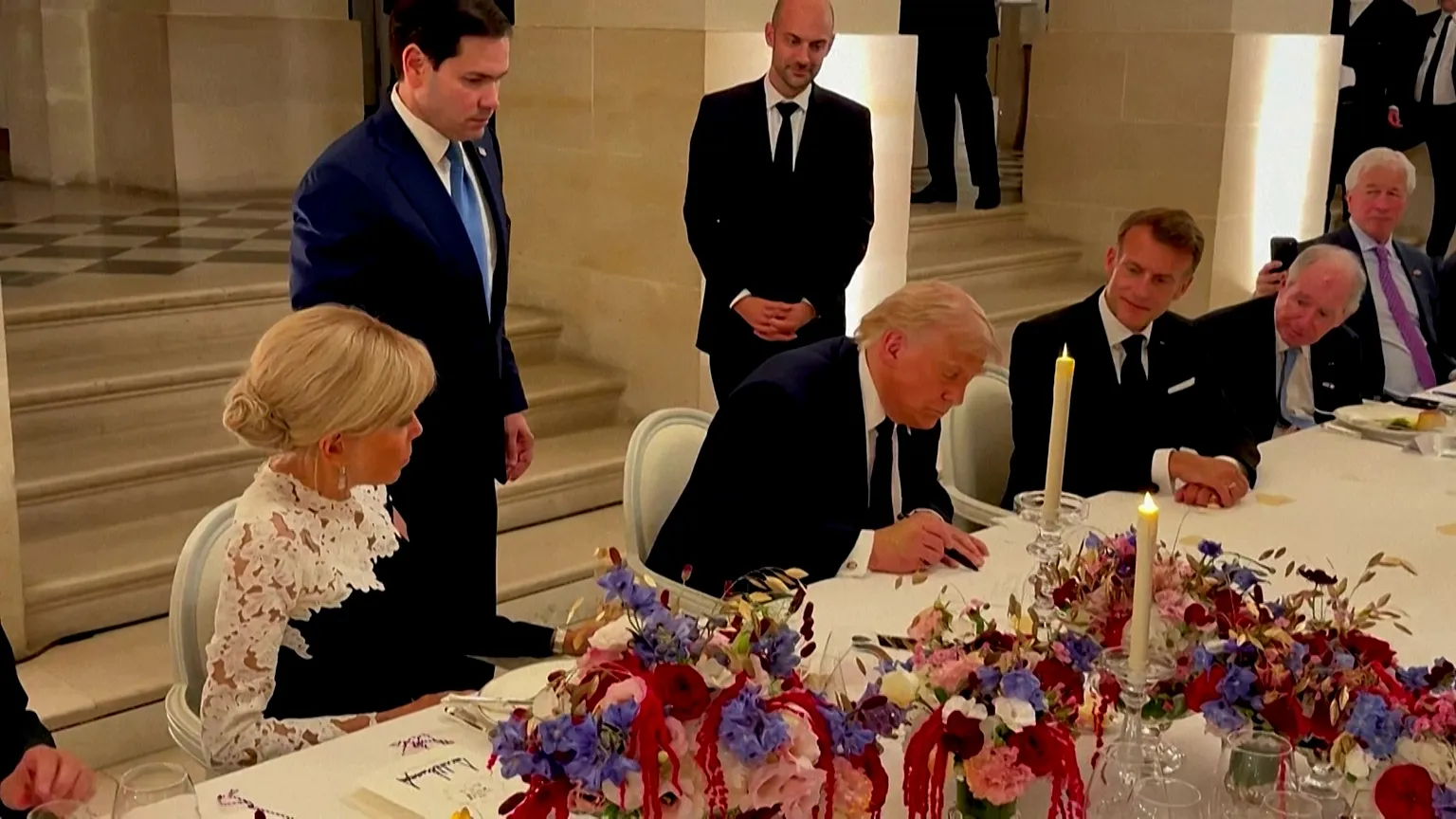
PARIS — The framework agreement signed Wednesday night at the Château de Versailles is being described by diplomats on both sides of the Atlantic as the most consequential shift in U.S.–Iran relations in more than two decades. The deal, brokered with French and Omani mediation, suspends a key tranche of secondary sanctions in exchange for verifiable limits on Iran's uranium enrichment and on the export of certain ballistic missile components.
The agreement was reached after eleven days of shuttle diplomacy that began in Muscat and accelerated dramatically once President Donald Trump arrived in Evian for the G7 summit. By Wednesday evening, Iranian Foreign Minister Abbas Araghchi had flown to Paris for the formal signing ceremony, an event staged for maximum symbolism in the same hall where the Treaty of Versailles concluded the First World War in 1919.
Inside the Framework
Officials briefed on the text say the accord is narrower than the 2015 Joint Comprehensive Plan of Action but more durable in two important respects. It includes a snapback mechanism that does not require a vote at the United Nations Security Council, and it ties sanctions relief to physical milestones — concrete dismantlement steps verifiable by the International Atomic Energy Agency — rather than to calendar dates.
In return, Washington will release roughly $6 billion in Iranian assets currently held in restricted accounts in South Korea and Japan, allow the resumption of crude oil sales to a defined list of Asian buyers, and lift designations on three Iranian banks.
Regional Reactions: A Cautious Welcome, A Cold Silence
The reaction across the region has been sharply divided. Gulf monarchies that have spent the past several years quietly opening their own channels to Tehran offered measured statements of support. The United Arab Emirates called the agreement "a step toward de-escalation," while Oman's foreign ministry, which mediated key portions of the talks, said the framework "reflects the patience of dialogue."
Saudi Arabia issued a more reserved communiqué noting that it would "study the text in detail" before commenting on its implications for the kingdom's own normalization track with Washington.
Israel's response has been notably cool. Prime Minister Benjamin Netanyahu's office said only that Israel "reserves the right to defend itself against any threat," while opposition leader Yair Lapid called the agreement "better than war, but not by much."
“This is not a peace treaty. It is a pressure valve. The question is whether it holds long enough to build something more durable behind it.”
Energy Markets Respond
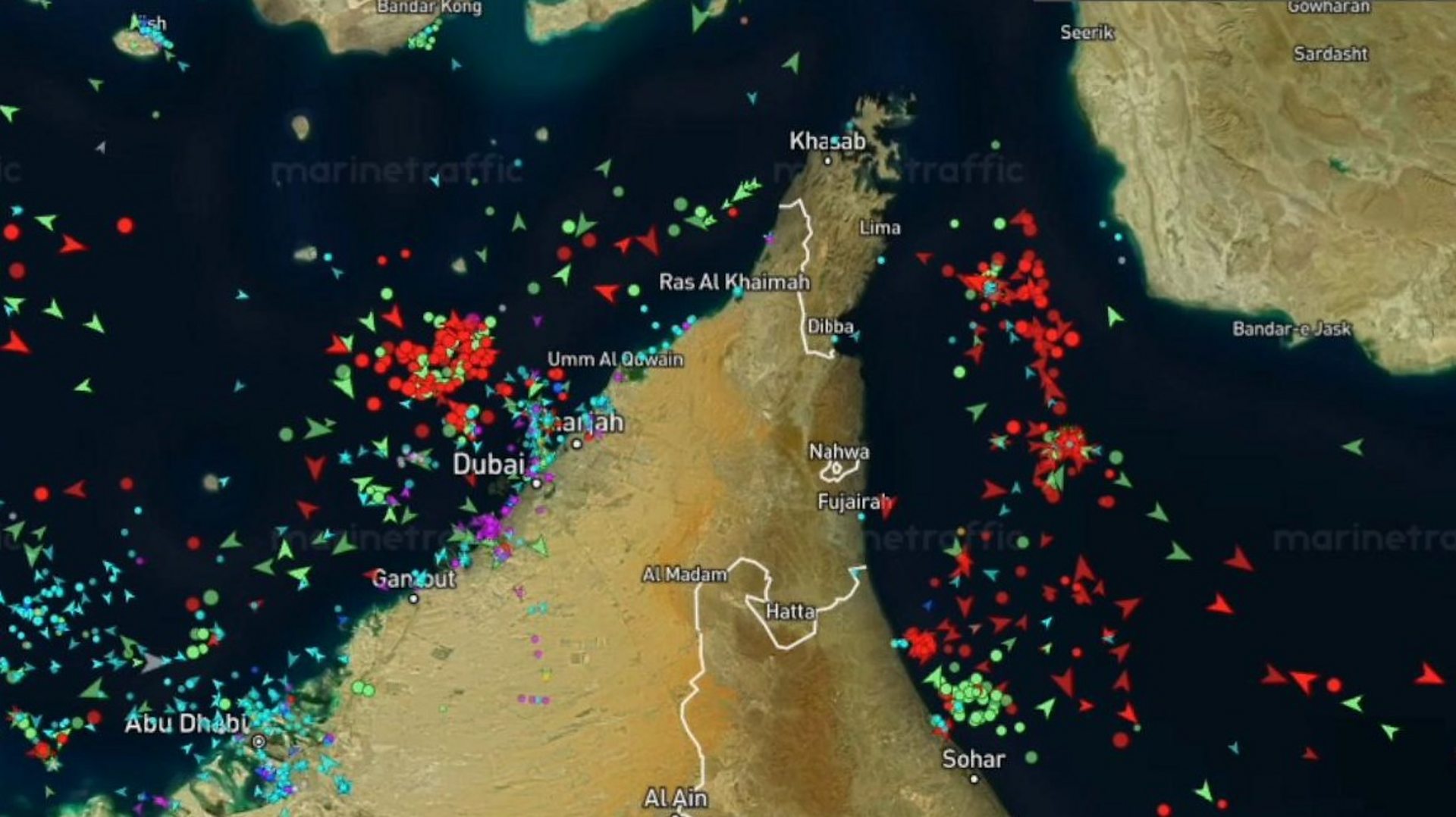
Oil markets reacted within minutes of the announcement. Brent crude, which had spiked above $112 a barrel during last week's tanker incident in the Strait of Hormuz, fell sharply to $84.60 in early Asian trading Thursday — a 13 percent decline over 36 hours and the steepest two-day drop since 2023.
Analysts at S&P Global Commodity Insights estimate that the gradual return of Iranian barrels to global markets could add as much as 900,000 barrels per day of supply by the fourth quarter, easing pressure on OPEC+ producers who have been cutting output to defend prices.
European Capitals Take a Victory Lap
The deal hands a long-sought diplomatic win to France and the European Union, which have spent years arguing that the post-JCPOA pressure campaign was destined to fail without a parallel diplomatic track. French President Emmanuel Macron, who hosted the signing at Versailles, called the agreement "a return to the patient work of diplomacy."
Germany's foreign ministry said it would immediately begin coordinating with Brussels on the lifting of complementary European sanctions. The United Kingdom, which had remained skeptical throughout much of the negotiation, signed on as a guarantor of the snapback mechanism.
Timeline of the Talks
- June 5Omani officials deliver a revised Iranian counter-proposal in Muscat.
- June 9Secretary of State Marco Rubio meets Araghchi in a third-country location.
- June 12Tanker incident in the Strait of Hormuz briefly threatens to derail the talks.
- June 15Trump arrives in Evian for the G7 summit; Macron hosts a working dinner on Iran.
- June 17Framework text finalized in a 14-hour overnight session at the Quai d'Orsay.
- June 18Signing ceremony at the Château de Versailles.
What Comes Next
The agreement now enters a 90-day implementation window during which the IAEA must verify the first round of dismantlement and the U.S. Treasury must issue the implementing regulations. Congressional Republicans, several of whom were briefed in advance, have signaled they will not move to block the deal — a marked departure from the JCPOA era.
Behind the diplomatic theater, however, the structural challenges remain. Iran's economy is in deeper distress than it was a decade ago, and its regional proxy networks have been reshaped by years of conflict. Whether the framework can hold long enough to be expanded into something more comprehensive will depend on factors largely outside the negotiators' control — including a presidential election cycle in Tehran next spring.
For now, the Hall of Mirrors has delivered a photograph that will define the diplomatic year. The harder work begins in the inspection bays of Natanz and the back rooms of the Treasury Department.