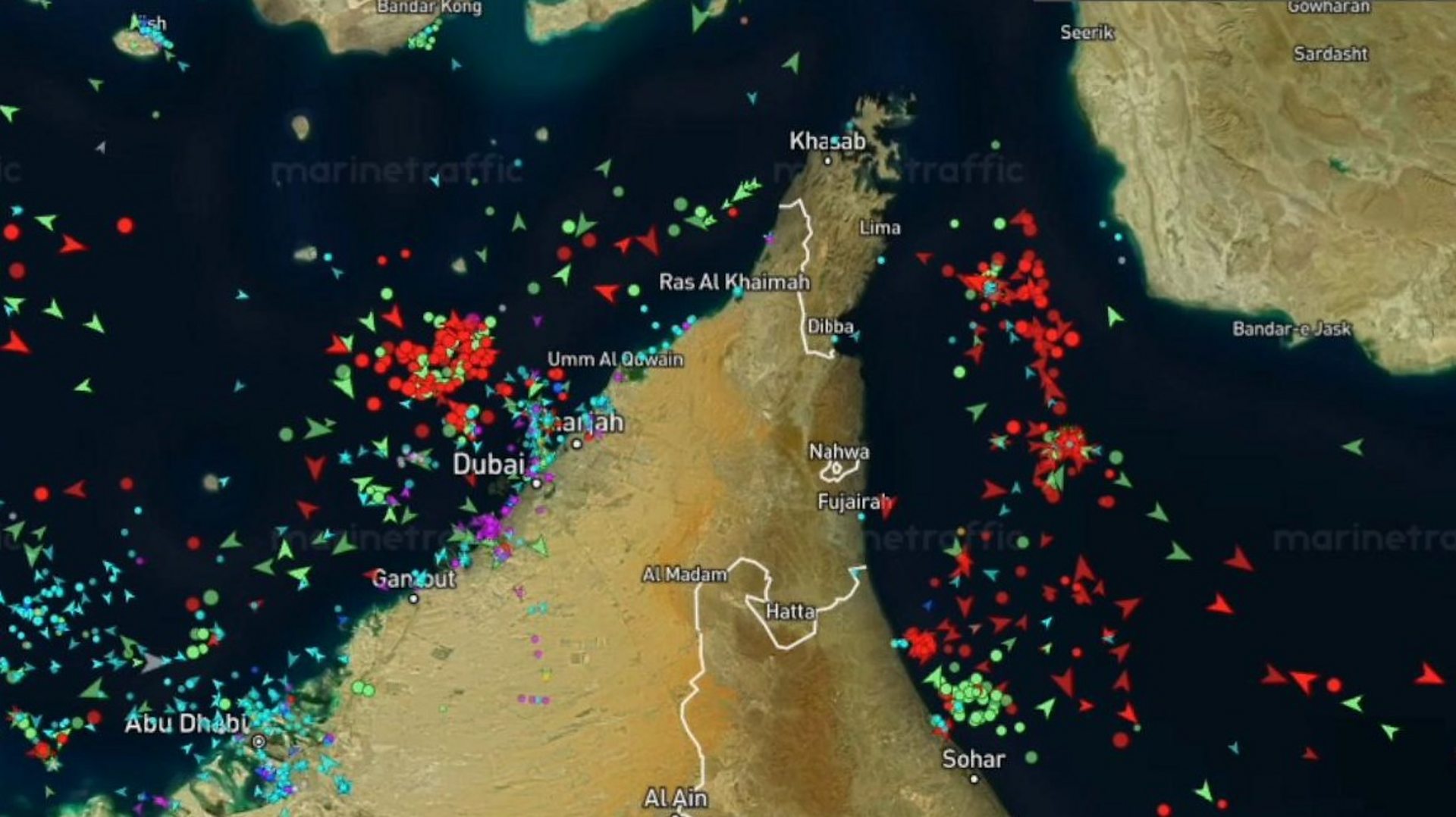
DUBAI — Tanker traffic through the Strait of Hormuz returned to near-normal volumes Thursday morning, a striking reversal from the panicked rerouting that gripped global shipping for much of last week. Live vessel-tracking data from MarineTraffic and Kpler show more than 60 crude and product tankers transiting the strait in a single 24-hour window — within five percent of the rolling 90-day average.
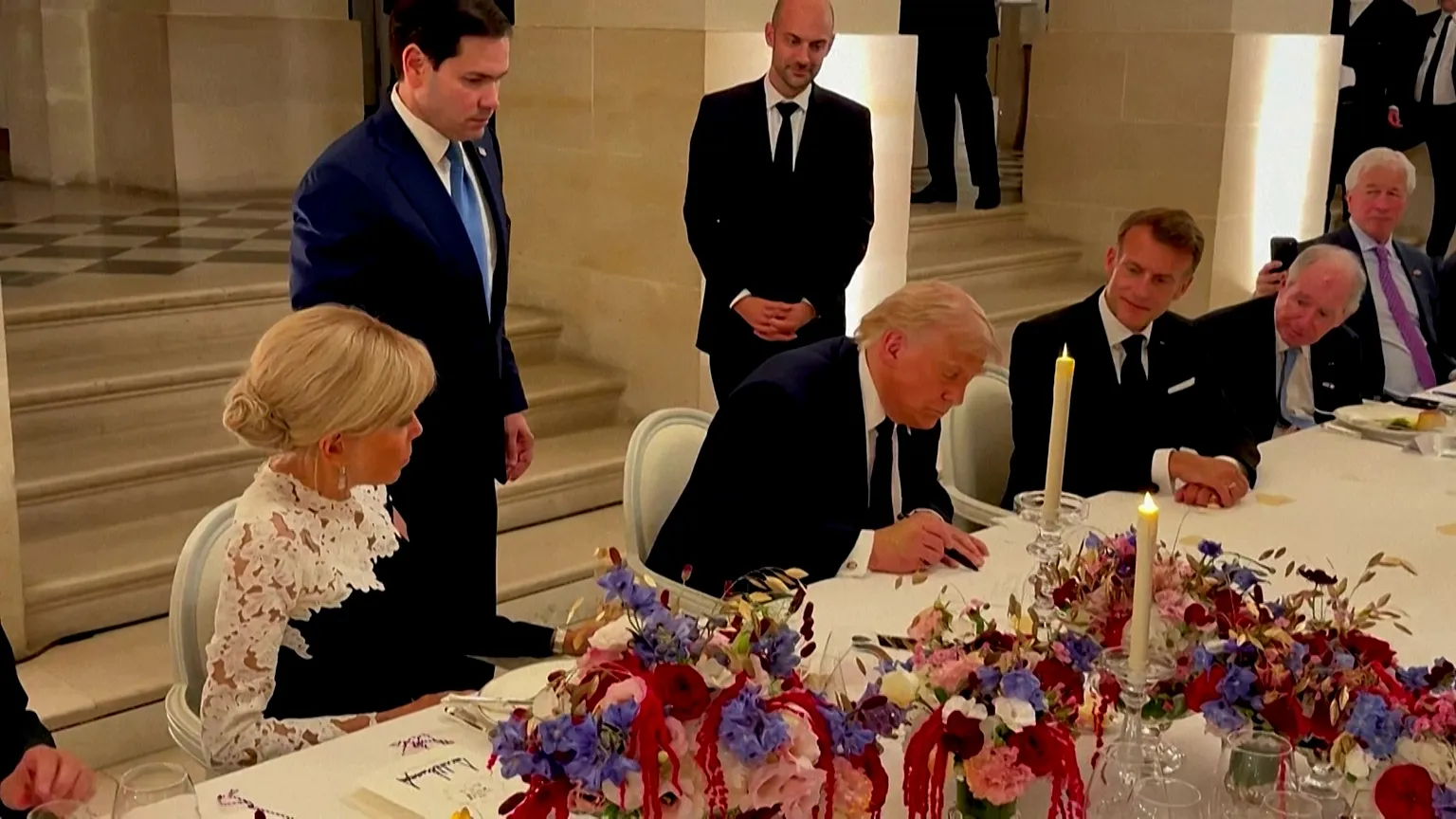
The rebound followed Wednesday's signing of the U.S.–Iran framework agreement in Paris and a parallel statement from Tehran instructing the Islamic Revolutionary Guard Corps Navy to "resume normal posture" in the Persian Gulf.
From Panic to Pricing
The shift has been violent. Brent crude futures, which closed at $112.40 a barrel last Thursday after Iranian fast-attack craft harassed two Greek-flagged tankers near Larak Island, settled at $84.60 in Asian trading Thursday. West Texas Intermediate fell to $79.85, its lowest level in six weeks. Gasoline futures on the NYMEX dropped more than 11 percent over the same window.
Insurers Remain Wary
Marine insurance underwriters are taking a more cautious view than commodities traders. War-risk premiums for transits of the Persian Gulf, which had climbed as high as 0.85 percent of hull value at the peak of last week's tensions, have eased to roughly 0.45 percent — still well above the pre-crisis level of around 0.12 percent.
"You can move a tanker faster than you can move a Lloyd's syndicate," said Munro Anderson, head of operations at maritime insurance specialist Vessel Protect. "Underwriters want to see at least 30 to 45 days of incident-free transits before premiums fully reset."
“You can move a tanker faster than you can move a Lloyd's syndicate. Underwriters want to see at least 30 to 45 days of incident-free transits before premiums fully reset.”
Supply Chains Adjust
For shippers, the past two weeks have been a real-world stress test of the contingency plans built after the Red Sea disruptions of 2024. Several major operators, including Maersk Tankers and Frontline, had begun rerouting vessels around the Cape of Good Hope or instructing crews to transit only during daylight hours with naval escort.
Saudi Aramco, the UAE's ADNOC and Iraq's SOMO had collectively drawn down strategic floating storage by an estimated 18 million barrels to meet contractual obligations. Refiners on India's west coast, the largest customer cluster for Persian Gulf crude, accelerated purchases of Atlantic Basin grades — driving Nigerian Bonny Light to a brief premium over Dubai benchmarks.
Consumers Feel the Whiplash
American motorists have already begun to see the effects at the pump. The AAA national average for regular gasoline, which crested at $4.09 a gallon Monday, slipped to $3.92 by Thursday morning. Analysts at GasBuddy project further declines of 15 to 25 cents per gallon over the next three weeks if crude prices hold.
In Europe, where households remain especially sensitive to fuel costs after the energy shocks of 2022 and 2023, wholesale diesel prices fell more than nine percent in two sessions on the Rotterdam barge market.
The Logistics Picture
Container shipping, which had begun to feel secondary effects from rerouted tonnage, is also normalizing. Spot rates on the Asia-to-Europe lane, which had climbed roughly 18 percent over a fortnight, gave back most of those gains in a single day on the Shanghai Containerized Freight Index.
Air freight rates from the Gulf to Northern Europe, which spiked as shippers sought to avoid maritime risk for high-value cargo, are expected to take longer to retreat as forward bookings work through the system.
What Could Reverse the Trend
Analysts caution that the strait's reputation as the world's most consequential maritime chokepoint will not be rehabilitated in a single trading week. Roughly 21 percent of global petroleum liquids consumption passes through Hormuz, and the framework agreement remains in its 90-day verification window.
"The market is pricing in a benign outcome that is plausible but not guaranteed," said Helima Croft, head of global commodity strategy at RBC Capital Markets. "A single incident in the next quarter would send prices right back to where they were."
For now, however, the radar plots are quieter, the tankers are moving, and the world's most-watched chokepoint is, briefly, just a strait again.